
The Resource Library stores all of ICTJ’s published works since 2001 to the present, grouped by category and searchable by key word, country, issue, language, and more.
We are continually adding new content from our archives, especially our Multimedia content. Check back regularly to explore newly added videos, photo galleries, and audio products.
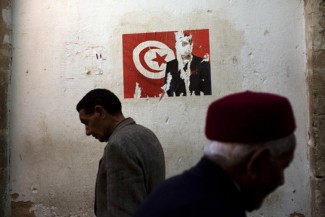
In this analysis piece, director of ICTJ's Reparative Justice program Ruben Carranza talks about the challenges Tunisia is facing in implementing individual and collective reparations measures since the fall of the Ben Ali dictatorship.
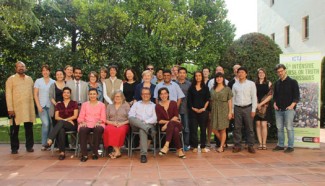
Transitional justice practitioners and activists from 18 different countries gathered in Barcelona to attend the 6th Intensive Course on Truth Commissions, organized by the ICTJ and the Barcelona International Peace Resource Center on September 29 - October 3.
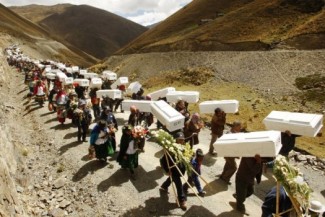
In this edition of the ICTJ Program Report, ICTJ Senior Associate Felix Reátegui discusses the principles behind the Truth and Memory program, and explains the imperatives of uncovering, acknowledging, and memorializing the past.
In this op-ed, ICTJ President David Tolbert says states are backsliding on their human rights commitments, and urges the international community to redouble its resolve for justice and accountability.
In this interview, Judge Walid Melki explains how Tunisia's Specialized Judicial Chambers will investigate and prosecute serious human rights violations.
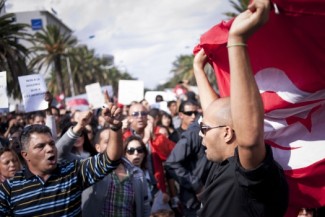
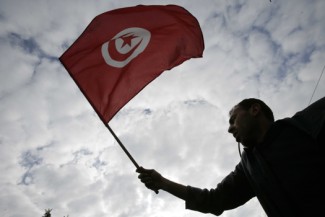
Tunisia has faced many challenges since the launch of the National Dialogue on Transitional Justice two years ago, including political assassinations that rocked the process as well as a number of political blockages. Yet the Tunisian people came through a complex and challenging process and achieved important results — results that can provide the foundation to confront a long legacy of human rights abuses and pave the way towards a democratic transition built on the rule of law and trust between citizens and the state.
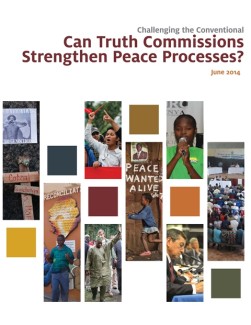
Truth commissions can make important contributions to peace processes if all parties can agree on common objectives and there is genuine local political will to shed light on past events. This is the key finding of a new study – titled “Challenging the Conventional: Can Truth Commissions Strengthen Peace Processes?” – to be released on 19 June 2014 by ICTJ and the Kofi Annan Foundation.
This joint report by ICTJ and the Kofi Annan Foundation explores common assumptions about why truth commissions are created in the wake of armed conflict and what factors make them more likely to succeed – or fail. It arises from a high-level symposium hosted by the two organizations ...
ICTJ welcomes the launch of Tunisia’s Truth and Dignity Commission (TDC), a momentous step in the country’s effort to establish the truth about past human rights violations.
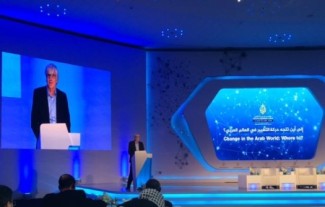
Three years after the so-called the “Arab Spring,” the post-revolution era has so far been marked by a mix of hope and hardships. At the 8th Al Jazeera Forum, ICTJ President David Tolbert explains what went wrong.