
424 results

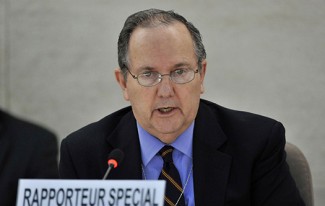
ICTJ has named the globally recognized jurist and human rights expert Juan E. Méndez as its delegate to the Colombian Selection Committee created by the 2016 peace agreement signed between the Colombian government and the Revolutionary Armed Forces of Colombia (FARC).

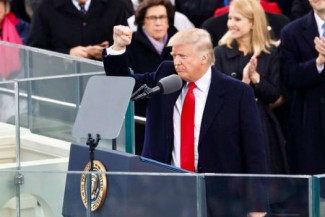
Donald Trump is on a road to undermine the progress that decades of struggle has achieved - the time for action and resistance is now. The human rights movement must come together to resist his agenda, writes ICTJ President David Tolbert.

ICTJ has formally accepted the invitation to participate in Colombia’s Selection Committee, reflecting its commitment to work for peace and victims’ rights in that country. It has not yet selected its delegate, contrary to prior reports.

Join President David Tolbert as we celebrate ICTJ at 15 years, during which there have been many pivotal moments, both for our organization and the struggle for justice globally.

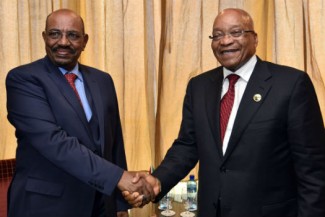
South African authorities apparently believe that once the country has officially withdrawn from the ICC, it will be free to invite the likes of Sudanese President al-Bashir to the country. That's not so, writes ICTJ's Howard Varney, who explains why the country's obligations would continue beyond its departure from the court.

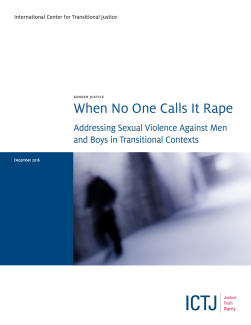
Sexual violence against men and boys is alarmingly common amidst conflict or repression, but these crimes are often mishandled. A new ICTJ report examines how transitional justice efforts in South Africa, Kenya, Cambodia, and beyond have responded to the needs of male victims of sexual violence. What lessons can be drawn from these approaches?

Sexual violence against men and boys in times of conflict or repression is alarmingly common— and takes a markedly consistent form across contexts in terms of how it affects victims and societies as a human rights violation that is taboo to talk about. It has been committed in all cul...

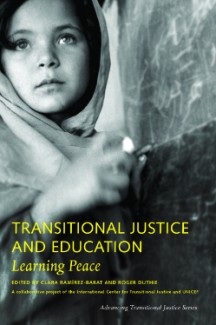
A groundbreaking new book from the International Center for Transitional Justice (ICTJ) and UNICEF examines the complicated relationship between education, justice and peacebuilding in societies grappling with a legacy of violent conflict. It offers lessons on how education can be harnessed in a divided society to overcome the past and create the conditions for peace, often under very difficult circumstances.

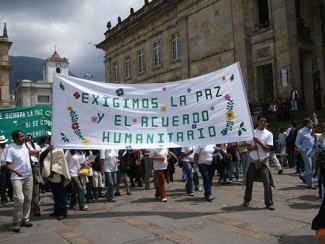
ICTJ welcomes the announcement the government of Colombia and the FARC-EP have agreed on a series of modifications to the peace accords, after the original version was narrowly rejected in the October plebiscite vote.

Amid deteriorating human rights conditions in the country, the lower house of Burundi’s National Assembly voted overwhelmingly in favor of withdrawing from the Rome Statute, the treaty that created the International Criminal Court. “Burundi should reconsider this ill-conceived decision, which undermines efforts at the national level to bring justice, peace, and stability to the country,” said ICTJ President David Tolbert.