


578 results

A new amnesty law passed by the government in the Democratic Republic of the Congo (DRC) will grant amnesty to hundreds of members of armed groups engaged in hostilities, including members of the infamous M23 rebels, but stops short of pardoning serious crimes.

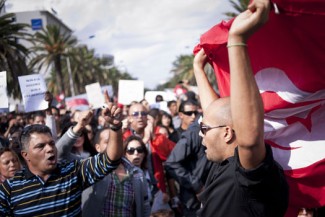
After emerging from its revolution with a new constitution and a comprehensive transitional justice law, Tunisia is setting into motion a process to learn the truth about the country’s time under repressive rule.

ICTJ is pleased to announce it will host a series of online debates on new challenges and cutting-edge issues in transitional justice.

More than six years after the war in Uganda came to a formal end, the country has taken a landmark first step by unanimously adopting a resolution to establish a reparations fund informed by the experiences of both men and women.

In the span of only one month, Tunisia has witnessed the historic passing of a transitional justice law and adoption of a new constitution. A key actor in the country's transition is the media.

To mark International Women’s Day, we invite you to read about four countries at the top of our gender justice priorities in the coming year, each with its own history, context, and complex sets of challenges.

Join ICTJ and the Center for Global Affairs for a conversation on how the ICC and the African Union can move forward, and what the AU position means for effective prosecutions within Africa and elsewhere.

As the Tunisian government takes firm steps to investigate human rights abuses committed since 1955, including under the Ben-Ali regime, ICTJ calls for care and attention in appointing members to the upcoming Truth and Dignity Commission.

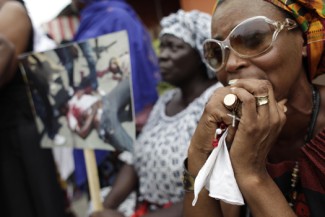
Nearly three years after violence in Cote d’Ivoire claimed the lives of over three thousand civilians and displaced hundreds of thousands, victims have yet to receive adequate reparation for the harm they suffered. ICTJ convened victims’ organizations, civil society, government officers and others to assess how the country should move forward to ensure victims see their right to reparation fulfilled.

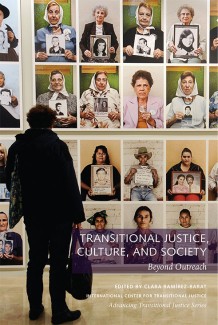
Transitional justice processes have a fundamental public dimension: their impact depends in part on the social support they receive. Beyond outreach programs, other initiatives, such as media and cultural interventions, can strengthen—or in some cases undermine—the public resonance of...