


527 results

The International Center for Transitional Justice (ICTJ) and the Barcelona International Peace Resource Center (BIPRC) are pleased to announce an Intensive Course on Transitional Justice and Peace Processes, taking place in Barcelona, Spain, June 6 - 10, 2016. It will focus on practical examples of recent or paradigmatic peace processes where the question of justice formed a significant part of the negotiating context.

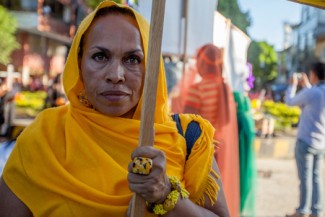
On International Women's Day, ICTJ Gender Justice Senior Associate Amrita Kapur highlights how insecurity affects women and is key to overcoming inequality across all dimensions of empowerment. "Without including institutional reform, we are condemning women to another century of inequality," she writes in this op-ed.

After 33 years in the relentless pursuit of truth and accountability the family of anti-apartheid activist Nokuthula Simelane will finally see justice done. On 8 February 2016, the National Prosecuting Authority announced that it will charge four former apartheid security policemen with...

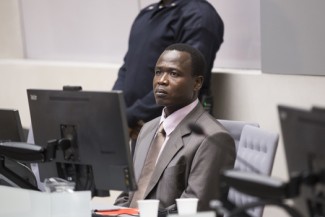
Ugandan victims of the LRA have waited over a decade to see the group’s leadership held accountable for crimes committed during the armed conflict with Uganda’s government. They saw it happen last week, when former LRA commander Dominic Ongwen appeared in court for an important hearing at the International Criminal Court.

The intimacy of violence has left deep scars in Prijedor, Bosnia and Herzegovina. Seemingly overnight, neighbors turned into perpetrators of incomprehensible violence. Today, twenty years since the end of the war, mothers of the disappeared often live next to those who disappeared their...

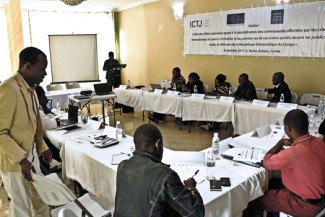
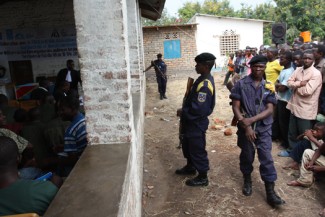
In meeting spaces in Goma, Bukavu, and Bunia, activists and magistrates are discussing ways that they can work together to improve the prosecution of international crimes in the region and address the concerns of local communities.

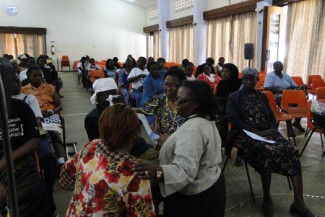
After years of waiting for the government to take action by implementing the recommendations of Kenya’s Truth, Justice, and Reconciliation Commission, victims of past human rights violations and mass violence are demanding that something be done.

ICTJ held a series of workshops in Goma, Bukavu, and Bunia, Eastern DRC, from November 13 until November 20 to discuss opportunities for greater interaction and collaboration between civil society and criminal justice officials to advance the prosecution of international crimes in the Congo, in order to better address the concerns of affected communities.

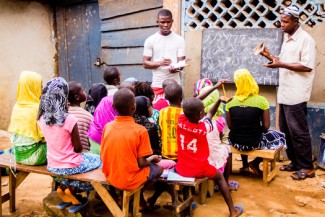
In this op-ed, ICTJ Vice President Paul Seils discusses how education can be used to address legacies of mass violence and dictatorship.

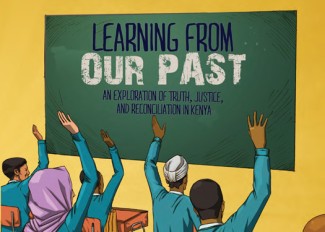
Young people in Kenya now have a new tool to help them learn about difficult periods in Kenyan history and discuss justice, democracy, leadership, and their role as Kenyan citizens.