
343 results

The search for justice in Guatemala continues, more than 15 years after the end of its long and brutal civil war. Claudia Paz, Guatemala’s prosecutor general and head of the Public Prosecutor’s Office, spoke with ICTJ about the struggle of victims and survivors to obtain justice for the crimes they suffered.

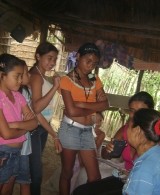
In a simple house made of wood and straw and smelling of earth, women, girls, and the occasional man narrate, sometimes laughing and other times crying, the stories of how their life used to be before being forcibly displaced to San Juan Nepomuceno. This is one of the many local memory initiatives taking place throughout Colombia today.

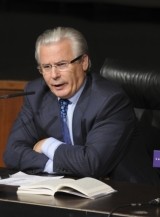
The Spanish Supreme Court has ruled the judiciary has no place investigating the deaths and disappearances of the Franco era. The verdict is a disappointment for the victims of Francoism and confirms Spain remains unwilling to deliver justice for the crimes of the past, writes Eduardo González, director of ICTJ's Truth and Memory program

Lebanon has yet to seriously address the issue of thousands of people who went missing or were forcibly disappeared during the country’s civil war. ICTJ spoke with Lebanese activists to discuss a recent initiative taken by the families of the missing and civil society organizations to create a draft law on the missing.

Canada’s Truth and Reconciliation Commission (TRC) released its interim report and a new historical publication titled They Came for the Children in Vancouver today. The TRC was established in 2008 to examine and make public the truth about Canada’s former Indian Residential Schools, a system designed to forcibly assimilate aboriginal children. From 1874 to 1996 more than 150,000 children were taken from their families and placed in church-run schools. They were prohibited from speaking their native languages and practicing cultural traditions, and physical, sexual, and emotional violence was commonplace.

The civil war in El Salvador officially ended 20 years ago, yet justice and accountability for past violations remain acutely absent. To launch a Spanish language podcast series focusing on Latin America ICTJ spoke with Carlos Dada, editor of the digital newspaper El Faro, about the critical role the media has played in uncovering the truth about past atrocities in El Salvador.

Following a restive year, Indonesia's human rights record is one of the situations under review during the 13th session of the UN Human Rights Council Universal Periodic Review (UPR) process in May–June 2012.

Pablo de Greiff, director of Research at ICTJ, has presented his candidacy for the role of Special Rapporteur for the Promotion of Truth, Justice, Reparation, and Guarantees of Non-Recurrence. This new position is being established by the United Nations Human Rights Council to bring greater attention to accountability for serious crimes and human rights violations.

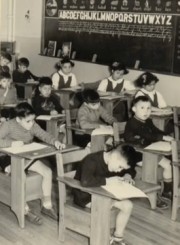
During a thematic hearing December 13–14, Kenya's Truth, Justice and Reconciliation Commission (TJRC) heard testimonies from children on their own experiences as part of the commission's investigation into gross human rights violations and historical injustices in the country between 1963 and 2008.

As Nepal’s parliament enters the final discussions on a draft Truth and Reconciliation Commission (TRC) bill, questions remain regarding the relationship between amnesty and reconciliation provisions within the bill.